
Discover Murrells Inlet History: Fun Facts & A Must-Do History Cruise
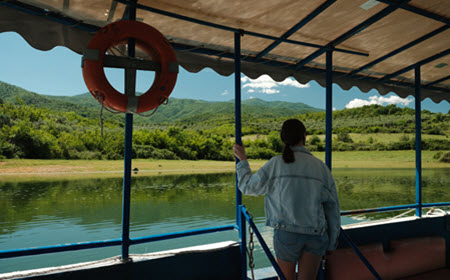
Discover the hidden stories, pirate legends, and fascinating past of Murrells Inlet, South Carolina
Known today for fresh seafood, breathtaking marsh views, and laid-back coastal charm, Murrells Inlet has a history just as rich as its famous Lowcountry cuisine. Long before the MarshWalk became a favorite gathering spot, this historic fishing village was home to Native American communities, rice plantations, rumored pirates, and even Civil War activity.
If you love learning the stories behind the places you visit, here are some fun Murrells Inlet history facts that make this waterfront community one of the most fascinating spots along the South Carolina coast.
1. Murrells Inlet May Be Named After a Colonial Settler… Or a Pirate
One of the biggest mysteries surrounding Murrells Inlet is how it got its name.
Many historians believe the inlet was named after John Morrall (or Murrell), an English colonist who purchased land in the area in the early 1700s. However, local legends tell a more adventurous story — that the inlet was named after a pirate captain who used the winding creeks as a hideout between raids. Historical maps have shown the area as “Morrall’s Inlet,” “Murray’s Inlet,” and eventually Murrells Inlet, leaving the exact origin open to debate.
2. Pirates Were Rumored to Hide Here
Speaking of pirates — yes, Murrells Inlet has plenty of pirate lore.
Legend says notorious pirates like Blackbeard and Stede Bonnet may have sailed through local waters during the Golden Age of Piracy in the early 1700s. The inlet’s shallow creeks and hidden channels made it an ideal place to hide ships, gather supplies, or evade naval patrols. Some locals even claim buried treasure still exists somewhere nearby — though no one has ever found it.
3. Native Americans Lived Here Thousands of Years Ago
Long before European settlers arrived, Native American tribes thrived in the Murrells Inlet area.
The historic Waccamaw people used the marshes, creeks, and rivers for transportation, fishing, and gathering shellfish. Archaeologists have uncovered shell mounds, burial sites, pottery, and artifacts throughout the Waccamaw Neck that date back thousands of years, proving this area has long been treasured for its natural abundance.
4. Murrells Inlet Was Once Part of a Rice Empire
Believe it or not, Murrells Inlet wasn’t always famous for seafood — it was once known for rice.
During the 1700s and 1800s, massive plantations lined the Waccamaw Neck, producing huge amounts of rice and indigo. Plantations like Richmond Hill, Brookgreen, and Wachesaw relied on tidal rivers and enslaved labor to power one of South Carolina’s most productive agricultural economies. At one point, the region’s rice production rivaled cotton and tobacco in economic importance.
5. Wealthy Planters Came Here to Escape Illness
Murrells Inlet was once considered a health retreat.
In the 1800s, plantation owners from inland rice fields traveled to Murrells Inlet during the summer months, believing the salty coastal air could help cure illnesses like malaria and fevers. They often arrived by steamboat and stayed near the inlet to recover and escape the heat of inland plantations.
6. The Seafood Tradition Goes Back Centuries
Murrells Inlet didn’t earn the nickname “Seafood Capital of South Carolina” overnight.
Fishing and harvesting oysters, shrimp, crabs, and fish have sustained local communities here for generations. Even during plantation days, seafood gathered from the inlet was essential for food and trade. Over time, commercial fishing helped shape Murrells Inlet into the working waterfront community visitors still love today.
7. Murrells Inlet Played a Role During the Civil War
Because of its location along the coast, Murrells Inlet quietly played a role during the Civil War.
The inlet served as a small port where Confederate blockade runners moved supplies while avoiding Union naval patrols. Ships reportedly used hidden coastal routes to transport goods through places like Bermuda and Nassau. The shallow waters made larger warships less effective in the area.
8. Hurricanes Helped End the Rice Plantation Era
The end of rice farming in Murrells Inlet came from more than one cause.
After the Civil War, the loss of enslaved labor changed plantation economics, but powerful hurricanes also devastated the area. A major storm in 1893 destroyed dikes, flooded fields, and damaged the infrastructure needed for rice cultivation, effectively ending large-scale rice production on the Waccamaw Neck.
9. Murrells Inlet Became Officially Named in 1913
Although the area existed for centuries, Murrells Inlet wasn’t officially recognized by the post office until 1913.
By then, generations of fishing families had already settled here, helping shape the close-knit community atmosphere that still defines the inlet today.
10. The Marshes Have Always Been the Heart of the Community
Today’s iconic marsh views aren’t just beautiful — they’ve always been essential to life here.
For centuries, the salt marsh provided food, transportation routes, storm protection, and livelihoods for locals. Whether Native Americans harvesting oysters, fishermen casting nets, or visitors enjoying waterfront dining today, the marsh has always been at the center of Murrells Inlet life.
Want to Learn Even More About Murrells Inlet History?
Reading about Murrells Inlet’s fascinating past is one thing — experiencing the stories where they actually happened is even better. If these fun Murrells Inlet history facts sparked your curiosity, consider joining the Visit Murrells Inlet History Tour for a deeper dive into the people, legends, and landmarks that shaped this historic fishing village.
Led by knowledgeable local guides, the tour explores Murrells Inlet’s rich history, from Native American roots and colonial settlement to plantation life, pirate lore, Civil War stories, and the evolution of the Seafood Capital of South Carolina. Along the way, guests can see historic sites, hear fascinating local legends, and gain a greater appreciation for the inlet’s unique culture and heritage.
Whether you’re a first-time visitor or someone who has vacationed in Murrells Inlet for years, the history tour offers a fun and engaging way to experience the stories behind the marshes, waterways, and waterfront landmarks that make this destination so special.
Pro tip: A history tour is a great activity to pair with lunch on the MarshWalk, a sunset cruise, or a stroll enjoying the scenic waterfront.
Experience History in Murrells Inlet Today
One of the best parts about Murrells Inlet history is that you can still experience pieces of it today. Walk along the waterfront, explore historic landmarks, visit local seafood spots, or simply take in the same marsh views that generations before have enjoyed for centuries.
Whether you’re fascinated by pirate legends, curious about colonial history, or simply love discovering hidden stories, Murrells Inlet proves there’s much more to this charming fishing village than meets the eye.