
Murrells Inlet Shelling Guide: What Shells You’ll Find & Where
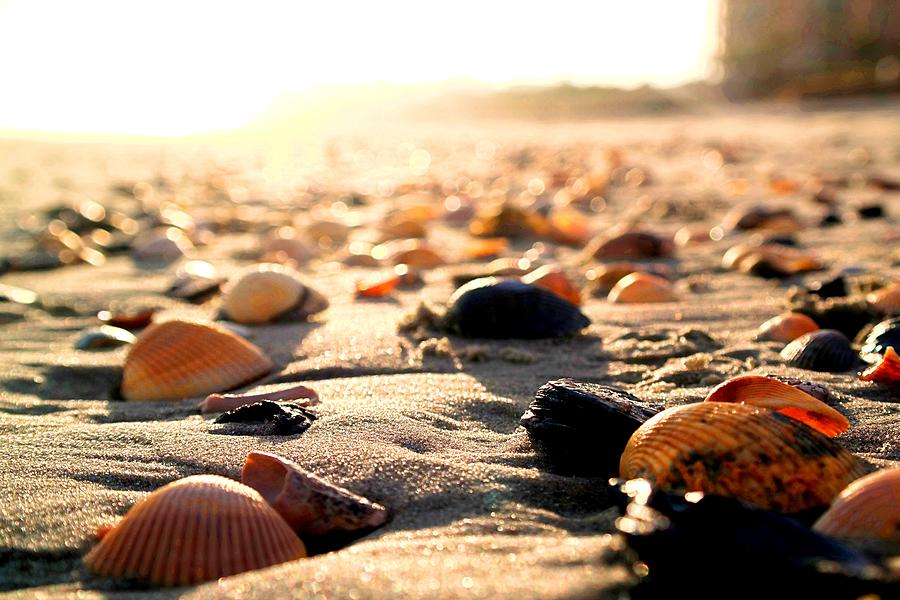
The Ultimate Shelling Guide to Murrells Inlet: Discover Hidden Treasures on the Salt Marsh Eco Cruise
If you’re searching for one of the most relaxing and rewarding activities along South Carolina’s coast, shelling in Murrells Inlet deserves a spot at the top of your vacation itinerary. While many visitors head straight to the ocean beaches, locals know that some of the most interesting shells and coastal treasures are found tucked away among the pristine salt marshes and secluded islands of Murrells Inlet.
Whether you’re a lifelong shell collector, a family looking for an educational adventure, or simply someone who enjoys exploring nature, the Saltwater Marsh Eco Cruise offered through Visit Murrells Inlet provides one of the area’s most unique shelling experiences.

Why Murrells Inlet is a Great Place for Shelling
Murrells Inlet sits where winding tidal creeks meet the Atlantic Ocean, creating one of South Carolina’s healthiest estuaries. Every tide carries shells, driftwood, oyster clusters, and other natural treasures into the marsh, making each visit different from the last. The protected environment also supports countless marine species, making shell hunting both exciting and educational.
Unlike heavily trafficked beaches, many of the shelling locations around Murrells Inlet are only accessible by boat, allowing visitors to explore quieter shorelines with less competition from other collectors.
Why the Salt Marsh Eco Cruise Offers the Best Shelling Experience
One of the highlights of the Saltwater Marsh Eco Cruise is an exclusive stop at a private island beach that can only be reached by boat. Guests have the opportunity to step ashore and search for shells while learning about the incredible ecosystem surrounding them from an onboard wildlife biologist. The cruise also features touch tanks, wildlife viewing, and demonstrations that help visitors better understand the marine life living beneath the surface.
Instead of simply collecting shells, you’ll learn:
- How tides move shells throughout the estuary
- Which shells belonged to clams, snails, oysters, and other marine animals
- Why healthy marshes are essential for South Carolina’s coastal wildlife
- How to collect responsibly without disturbing living creatures
It’s an experience that’s perfect for children, adults, photographers, nature lovers, and anyone looking to experience Murrells Inlet beyond the beach.
Common Shells You May Find
Every trip is different, but some of the shells frequently discovered around Murrells Inlet include:
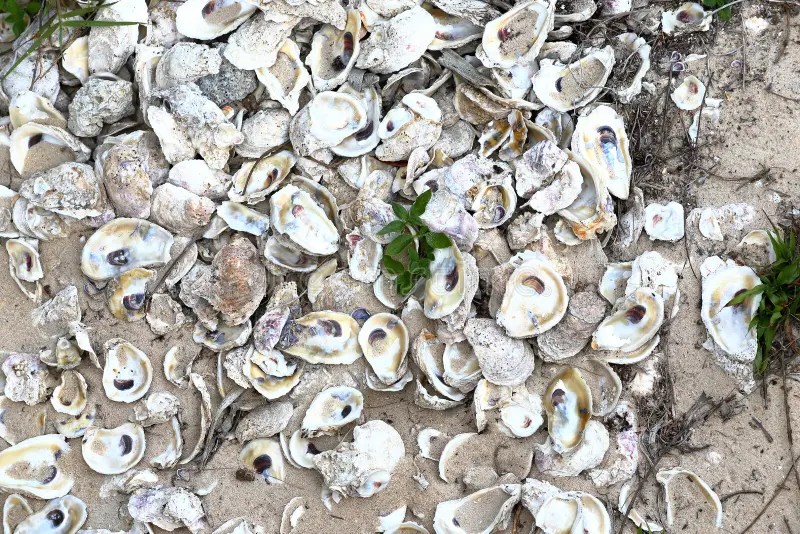
Oyster Shells
Perhaps the most iconic shell in the inlet. Oyster reefs are critical to the health of the salt marsh, filtering water while providing habitat for fish, crabs, and shrimp.
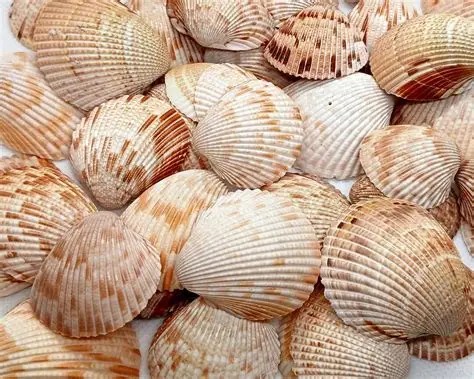
Atlantic Cockles
Recognizable by their heart-shaped appearance and strong ridges, cockles are colorful additions to any shell collection.
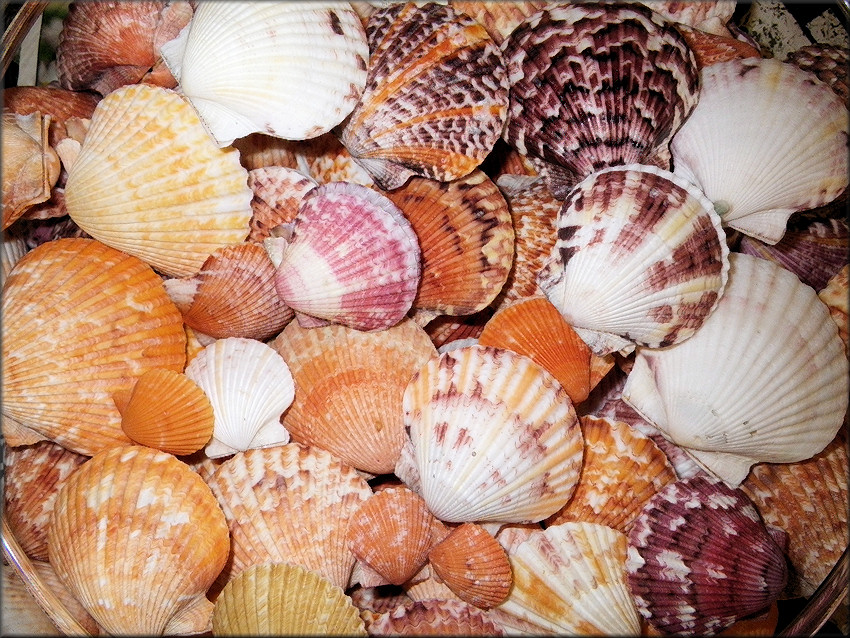
Calico Scallops
These fan-shaped shells often display beautiful shades of orange, pink, cream, and purple.
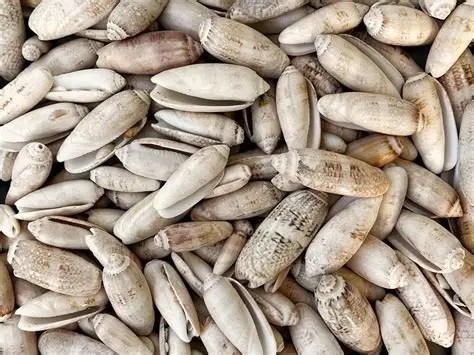
Lettered Olive
South Carolina’s official state shell, the Lettered Olive is prized by shell collectors for its smooth, glossy appearance and distinctive markings.
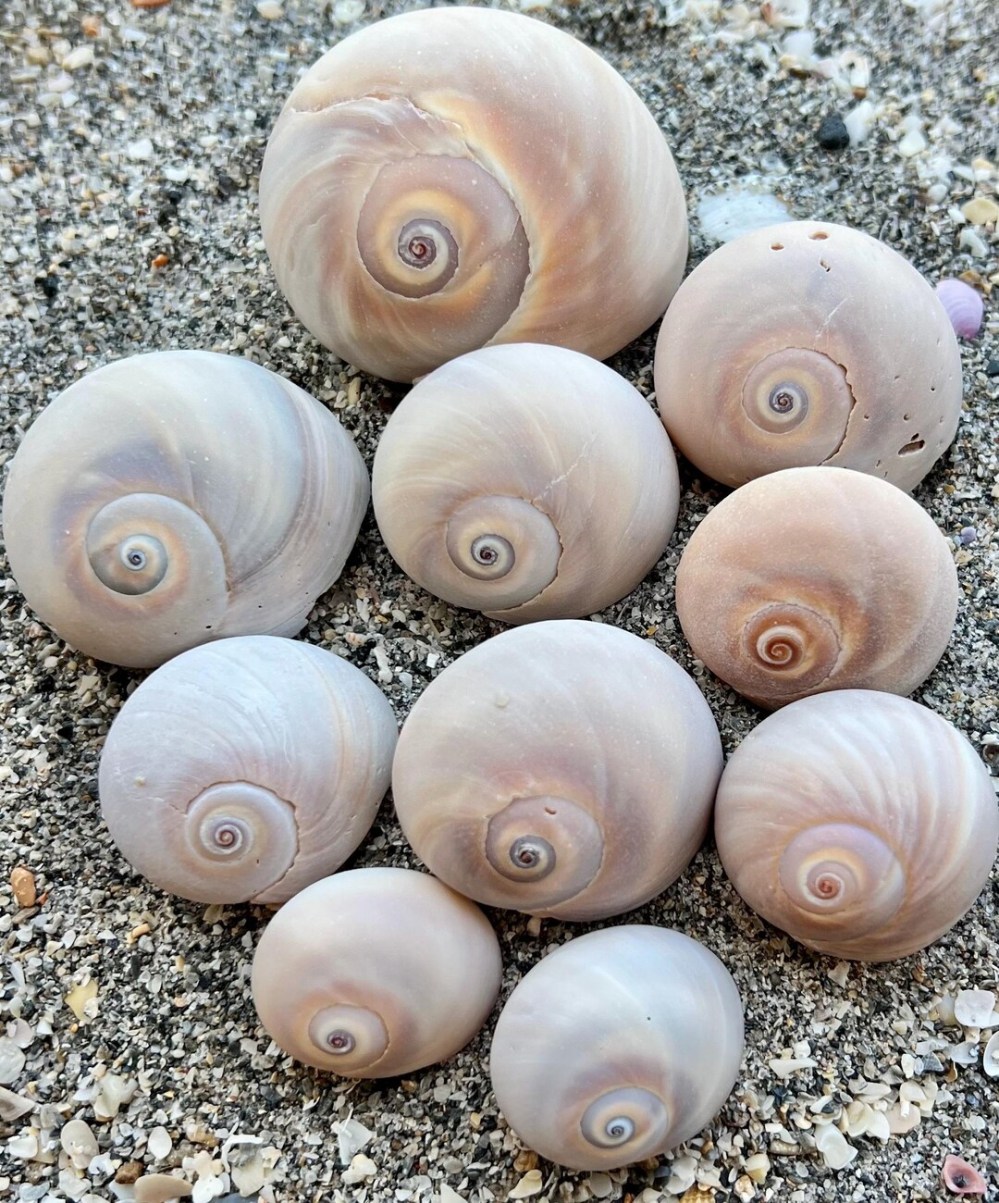
Moon Snails
These nearly round shells are favorites among collectors because of their unique shape and soft colors.
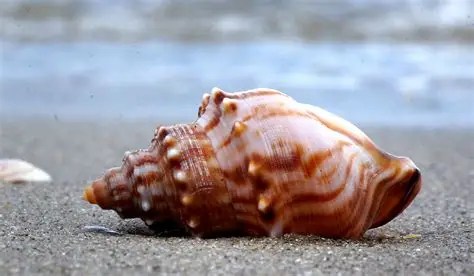
Whelks
Lightning and knobbed whelks occasionally wash into the inlet and make excellent additions to a collection due to their spiral form and impressive size.
Best Time to Go Shelling
While shells can be found year-round, your chances improve by following a few simple tips.
The best shelling conditions are:
- During low tide
- Early in the morning
- Following strong tidal movement or storms (after conditions are safe)
- During the cooler months when beaches are less crowded
Fortunately, the Saltwater Marsh Eco Cruise visits shelling areas chosen by experienced guides who know where nature tends to deposit new treasures.
What Else Might You Discover?
Shells aren’t the only surprises waiting along Murrells Inlet’s shoreline.
Depending on the tide and season, visitors often find:
- Shark teeth
- Sand dollars (only if they’re no longer living)
- Horseshoe crab molts
- Sea glass
- Unique driftwood
- Crab molts
- Interesting oyster formations
Meanwhile, keep your eyes on the water and surrounding marsh. Dolphins, egrets, herons, pelicans, osprey, fiddler crabs, and countless other coastal species frequently make appearances during the cruise.
Shelling Etiquette
Responsible shelling helps preserve Murrells Inlet for future generations.
Always remember to:
- Only collect empty shells.
- Leave live animals where you find them.
- Never remove oysters from living reefs.
- Respect birds and wildlife.
- Pick up any litter you encounter.
- Take only memories—and a few empty treasures.
These simple practices help protect one of South Carolina’s most important coastal ecosystems.
What to Bring
To make the most of your shelling adventure, consider bringing:
- Mesh shell bag or small bucket
- Water shoes or sandals
- Sunscreen
- Sunglasses
- Camera
- Hat
- Refillable water bottle
Don’t forget to leave room in your bag—you may return with more treasures than expected!
Experience Murrells Inlet Like a Local
Anyone can walk a crowded beach looking for shells. But exploring the quiet marshes, hidden islands, and winding creeks of Murrells Inlet offers a completely different experience. It’s slower, more peaceful, and filled with opportunities to learn about one of South Carolina’s richest coastal habitats.
The Saltwater Marsh Eco Cruise combines sightseeing, wildlife encounters, hands-on education, and exclusive shelling opportunities into one unforgettable adventure. Whether you’re visiting the Grand Strand for the first time or have vacationed here for years, it’s one of the best ways to discover a side of Murrells Inlet that many visitors never get to see.
So, grab your camera, bring your sense of adventure, and get ready to uncover the hidden treasures waiting in the salt marsh. Your next favorite shell could be just one tide away.